Development of pacemaker using signal conditioning, sensor integration and control systems techniques
Keywords:
pacemakers, instrumentation principles, cardiac arrhythmias, bradycardia, tachycardia, sensorsAbstract
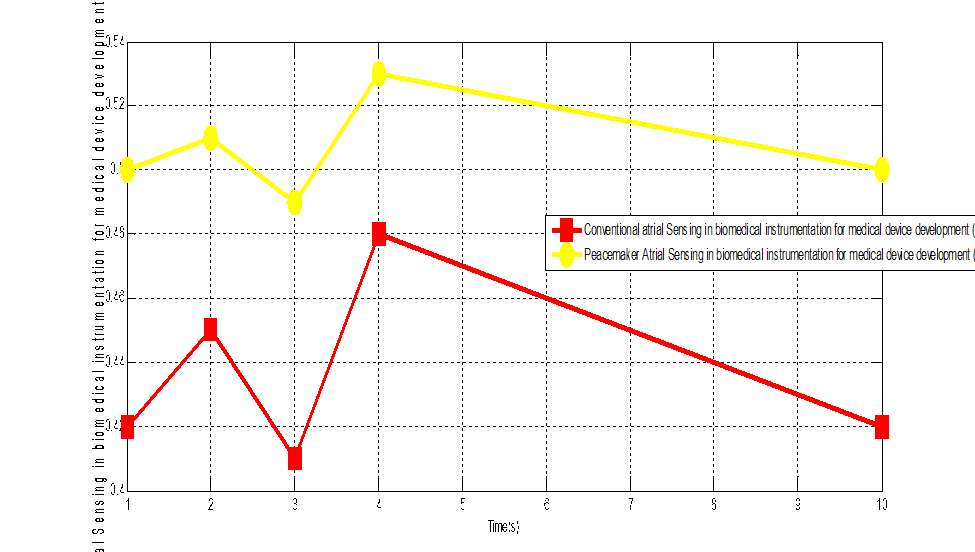
The rising incidence of mortality in hospitals today can be attributed, in part, to the inadequacy and inefficiency of existing medical instruments to swiftly and accurately diagnose ailments. This underscores the urgent need for the development of effective medical equipment, such as pacemakers. In this context, observations from a conventional bradycardia case revealed a heart rate of 0.85 Hz, which falls below the normal healthy threshold of 1.0–1.67 Hz. However, with the integration of a pacemaker, the system was able to immediately sense, process, and correct this anomaly, restoring the heart rate to a healthy range. Similarly, in the domain of biomedical instrumentation, conventional battery voltage was observed to be approximately 2.4 V, insufficient for efficient charging and sustained device operation. Upon integration of the pacemaker system, the voltage was processed and elevated to 2.88 V, effectively meeting the operational threshold (2.8 – 3.0 V) and significantly enhancing the charging and working capability of the battery-powered medical device. These findings affirm the critical role of pacemakers and related instrumentation in improving the diagnostic and therapeutic efficacy of modern healthcare systems.