Comparative analysis and optimization of quenched heat affected zones on mild steel weldment using artificial neural network
Keywords:
Mild Steel, Heat Affected Zone, Coconut Oil, Mechanical Properties, Artificial Neural NetworkAbstract
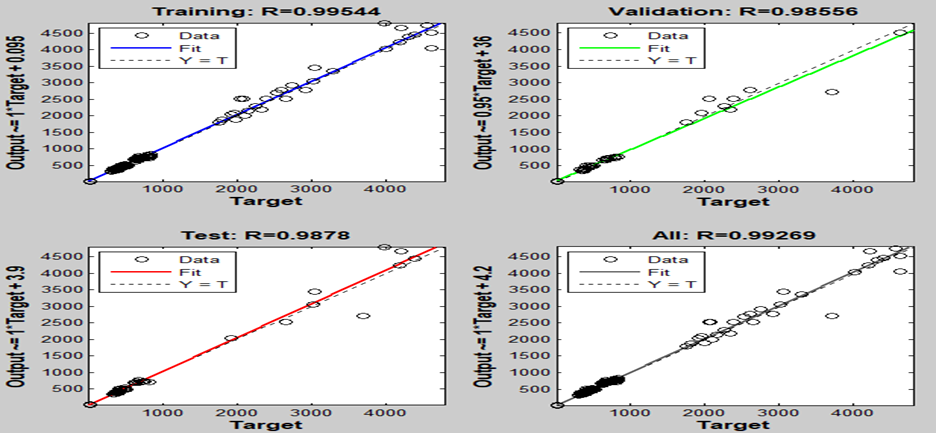
This study explores the comparative analysis and optimization of quenched heat-affected zones (HAZ) in mild steel weldments using coconut oil as an eco-friendly quenching medium. A sheet of mild steel was cut into 40 samples of size 60x40x10 and then cut into two equal halves before it was welded. The effects of coconut oil on the microstructure and mechanical performance of TIG welded HAZ were examined through controlled quenching experiments. The strength of the welded joint tested for mechanical properties like yield strength, tensile strength, elastic modulus, elongation and flexural strength. 30 experimental runs was carried out on the welded samples and the results showed average tensile strength, yield strength, flexural strength, elastic modulus and elongation of 471.89 MPa, 377.49 MPa, 731.06 MPa, 3009.53 MPa, and 21.82%, respectively. The findings indicate an increased tensile strength, a moderate hardening, improved flexural resistance and preserved ductility signifying that coconut oil provides balanced mechanical properties through its moderate cooling rate. Comparative literature supports these results, showing that vegetable oil quenchants (coconut oil) can achieve desirable mechanical performance with reduced distortion and favorable cooling behavior. This research reinforces the viability of bio-based oils as sustainable alternatives to conventional quenchants. Additionally, the integration of Artificial Neural Networks (ANNs) is highlighted as an effective approach for predicting and optimizing welding parameters and mechanical outcomes, offering enhanced accuracy over traditional statistical methods