Contingency Investigation of Nnamdi Azikiwe University, Awka Hybrid Distribution System
Keywords:
Contingency Analysis, Hybrid Distributed System, Hybrid Energy Generation, Power SystemAbstract
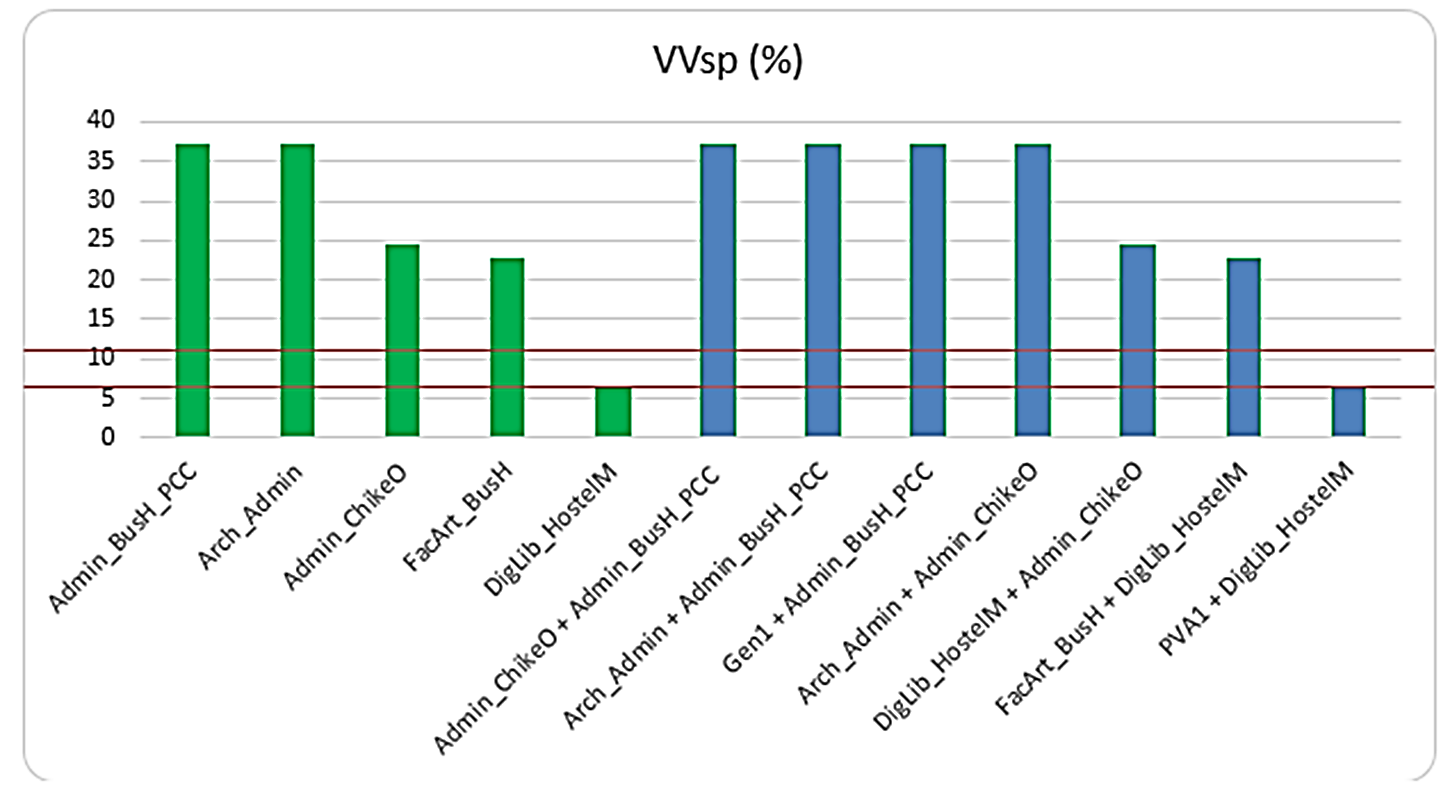
Electric power distribution systems are prone to disturbances such as voltage instability, line and ground faults, overloading, equipment aging, natural disasters, and human operational activities, all of which affect system stability and reliability. The distribution network of Nnamdi Azikiwe University (UNIZIK) faces similar challenges. This study presents a contingency analysis of the university’s hybrid electric power distribution system to identify system vulnerabilities and propose measures to improve stability. The methodology involved load distribution surveys, analytical power system calculations, and modelling and simulation using the Electrical Transient Analysis Program (ETAP). Contingency assessments were performed under N-1 and N-2 outage scenarios to evaluate voltage performance, reactive power adequacy, and thermal loading of key system components. Results show that although the system has adequate generation capacity, weak distribution feeders limit its performance. Voltage violation severity indices reached 37%, while reactive power severity indices rose to 26,491.81 under critical contingencies. The DigLib–HostelM feeder also operated at 94% of its rated capacity. The study recommends reactive power compensation and feeder reinforcement to enhance system reliability.