Comparative Pre-Trained Models for Obstacle Avoidance Application in Indoor Environment
Keywords:
Computer vision; object of interest; transfer learning; YOLOv8n; visual impairment; distance estimation algorithmAbstract
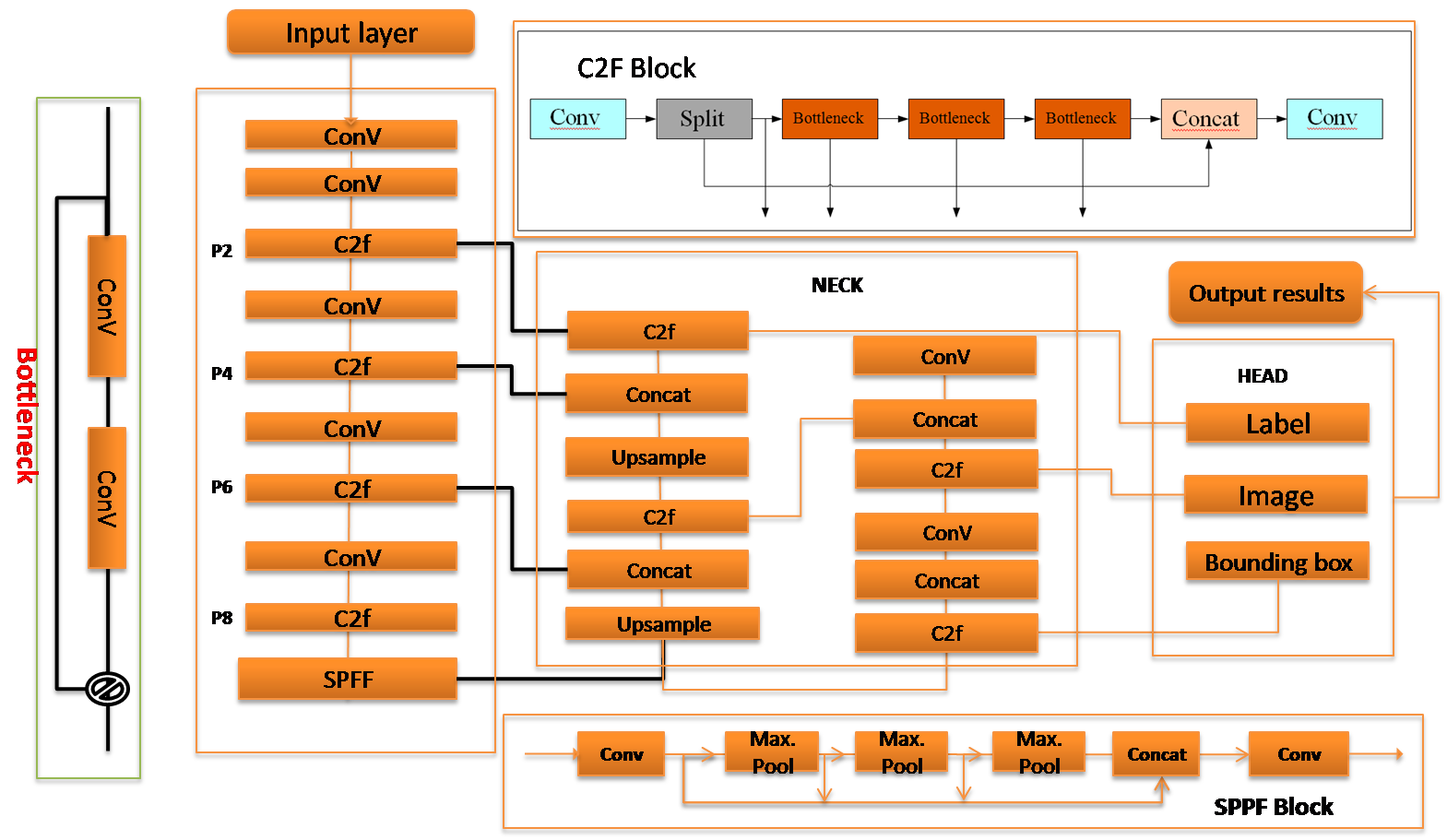
An obstacle is an object that lies along the intended path of a moving person or device. Collision with such objects can cause injury, particularly for people with visual impairment in indoor spaces. This paper presents a comparative study of pre-trained models for indoor obstacle avoidance. Previous studies often treat every detected object as an obstacle and therefore generate false alarms. This paper separates objects of interest from true obstacles by combining transfer learning with a Distance Estimation Algorithm (DEA). MobileNet-V2 with a Single Shot MultiBox Detector (SSD) head, DenseNet-121 used as an image-level classification baseline, and You Only Look Once version 8 nano (YOLOv8n) were fine-tuned on a working set of 1,010 labelled indoor images of chairs and tables. The initial capture set comprised 59 photographs (45 chairs and 14 tables), and geometric augmentation was used to expand the training material. On the reported test split, YOLOv8n achieved 58.8% [email protected]:0.95 with 3.2 million parameters and a reported desktop inference time of 4.5ms, compared with 25.1% [email protected]:0.95 for MobileNet-V2+SSD. The selected YOLOv8n detector was integrated with a fully defined Distance Estimation Algorithm and a 2.5 m indoor obstacle threshold. Comparative results identified YOLOv8n as the more suitable of the two object detectors for integration with the DEA. The obstacle decision threshold was revised from 20m to 2.5m for indoor navigation, and the DEA was evaluated by comparing camera-estimated distances with tape-measured distances. Experimental checks in three indoor settings were then used to assess obstacle detection and classification. In nine trials comparing camera estimates with tape measurements, the mean absolute error for the eight objects measured within 2.5m was 0.09m. Seven of those eight objects triggered an alert; one chair measured at 2.40 m was estimated at 2.52 m and was missed. Tests in three indoor settings illustrate the method, but the small number of original photographs and the missed alert near the threshold limit the conclusions. Further testing with more independent images and portable hardware is needed.