Multifunctional Ni–Cr Modified Ogbunike Clay Catalysts for One-Pot Production of Jet Fuel-Range Hydrocarbons from Calabash Seed Oil
Keywords:
Aviation biofuel, Activated Clays, Catalyst synthesis, FTIR, XRD, XRF, SEMAbstract
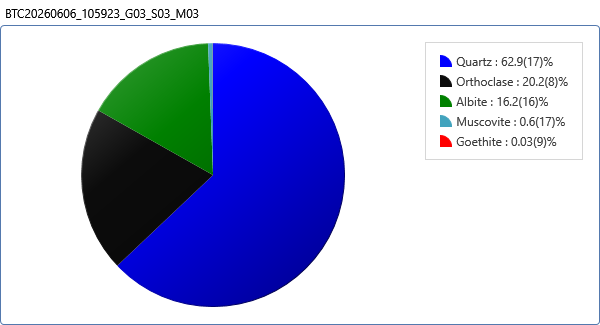
This study investigated the synthesis, physicochemical characterization, and catalytic performance of acid- and alkaline-modified Ogbunike clay and their Ni–Cr-impregnated derivatives for the one-pot upgrading of calabash seed oil to hydrocarbon fuels. Acid-treated clay (ATC) and alkaline-treated clay (BTC) were prepared through acid and alkaline activation, respectively, followed by wet impregnation of nickel and chromium at a Ni:Cr precursor ratio of 2:1. The resulting catalysts were characterized using X-ray fluorescence (XRF), X-ray diffraction (XRD), Fourier-transform infrared spectroscopy (FTIR), Brunauer–Emmett–Teller (BET) surface-area analysis, and density functional theory (DFT) pore-volume analysis. Catalytic performance was evaluated during cracking of calabash seed oil at 380 ℃ for 2 h using total liquid yield (TLY), total petroleum hydrocarbons (TPH), and hydrocarbon carbon-range distribution as performance indicators. XRF confirmed Ni and Cr incorporation, while XRD showed preservation of the crystalline aluminosilicate framework with metal loading. FTIR further indicated retention of surface hydroxyl functionalities and interactions between the supported metal species and the aluminosilicate surface. NiCr incorporation substantially enhanced the textural properties, increasing the BET surface area from 167.73 to 252.70 m²/g for NiCr/ATC and from 188.20 to 314.00 m²/g for NiCr/BTC. However, catalytic performance showed that surface area alone did not explain product distribution. The results indicate that catalyst performance was governed by the combined effects of textural properties, active-site accessibility, support chemistry, and Ni–Cr-induced surface functionality. The high heavier-hydrocarbon fractions also suggest secondary reactions, including possible oligomerization, condensation, cyclization, or incomplete cracking. Overall, the study shows locally sourced Ogbunike clay as a potential catalyst support for converting non-edible calabash seed oil into hydrocarbon products relevant to sustainable aviation fuel, while highlighting the need for further optimization of catalyst acidity, metal dispersion, and pore architecture to improve C8–C16 selectivity.